
Choosing the right Professional Manicure Instruments can shape service quality, client comfort, and daily salon efficiency. This 2026 buying guide examines the tools used by trained nail professionals, from precision nippers and cuticle pushers to files, buffers, and electric manicure devices. Details matter.
A reliable instrument should offer controlled movement, balanced weight, smooth joints, and materials suited to repeated cleaning. Stainless steel remains a practical choice because it resists corrosion and supports consistent sanitation when handled correctly. However, material alone does not prove quality. Buyers should inspect hinge alignment, edge sharpness, grip texture, manufacturer documentation, and warranty support. Professional experience also matters. A lightweight tool may reduce hand fatigue during a busy schedule, while an overly sharp edge can increase handling risks without improving results.
This guide compares performance, durability, maintenance needs, and value across common purchasing options. It also considers sterilization compatibility, storage conditions, and supplier transparency. No instrument is perfect. A premium tool can still feel uncomfortable in a technician’s hand, and a lower-priced option may perform well for occasional services. My own preference may lean toward durable, repairable designs, but that choice deserves review when budgets, workloads, and nail techniques differ. Readers should test tools where possible, consult current manufacturer instructions, and confirm that local hygiene requirements are met. Small details often reveal long-term reliability.
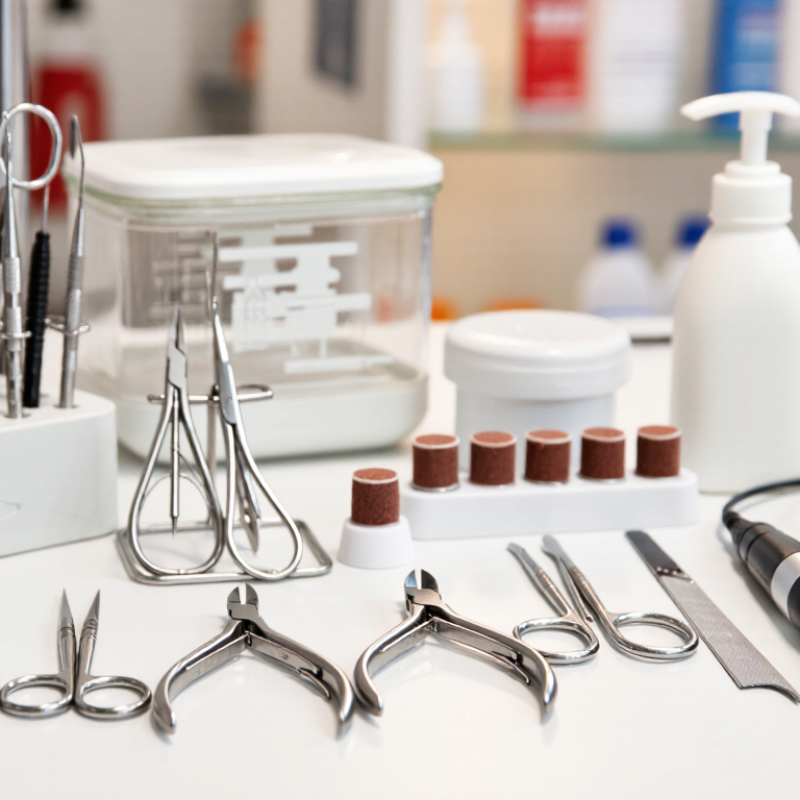
2026 Top Professional Manicure Instruments Buying Guide
In 2026, buying professional manicure instruments starts with function, not appearance. Nail clippers and straight-edge nippers handle controlled trimming. Cuticle pushers lift softened tissue without scraping living skin. Files shape edges, while buffers refine surface texture. Electric files remove product efficiently, but their speed increases heat and pressure risks. Choose instruments that match the task, hand strength, and service frequency. A polished finish means little when control is poor.
Risk level should guide every purchase. Low-risk tools touch intact nails and should still be cleaned after each service. Moderate-risk tools may contact surrounding skin, especially during cuticle work. They require careful cleaning and appropriate disinfection. High-risk instruments can break skin or contact blood. Use validated sterilization procedures, proper packaging, and local sanitation requirements. Single-use abrasives should never be reused. They absorb debris.
Small details matter. Inspect nipper joints for looseness, rust, and uneven blades. Test file vibration before using an electric device near the nail plate. Heat is a warning. Sharp does not always mean safe; excessive sharpness can remove healthy tissue. A common buying mistake is choosing one tool for every client. Nail thickness, skin sensitivity, and technician technique vary. My checklist is not perfect, either. Supplier claims need verification through material information, maintenance guidance, and documented quality testing. When uncertain, select more control, not more power.
| Instrument | Primary Function | Typical Working Area | Recommended Material | Typical Professional Specification | Operational Risk Level | Main Risk Factors | Cleaning and Reprocessing Priority | Key Buying Criteria |
|---|---|---|---|---|---|---|---|---|
| Nail Clipper | Shortens fingernails and toenails by cutting the free edge. | Free nail edge only; should not be used on living tissue. | Corrosion-resistant stainless steel with a secure pivot and durable cutting edges. | Compact finger-nail models commonly measure about 50–70 mm; larger versions are used for thicker toenails. | Low | Pinching, over-cutting, sharp corners, and possible skin injury if the tool slips. | Remove visible debris immediately, clean the hinge and cutting zone, then disinfect according to the approved product instructions. Use sterilization when required by local policy or when contact with non-intact skin is possible. | Consistent cutting alignment, smooth lever action, rounded outer edges, secure hinge, and resistance to corrosion. |
| Nail Scissors | Provides controlled trimming of fingernails, toenails, or small areas of excess cuticle. | Nail plate and, for dedicated cuticle scissors, the cuticle margin. | Stainless steel with precise blades and a stable finger-ring design. | Common overall length is approximately 85–105 mm; blade shape may be straight or slightly curved. | Moderate | Pointed tips and sharp blades can puncture or cut skin; excessive tension can cause uneven cutting. | Open the blades during cleaning, remove residue from the pivot, and use a validated disinfection or sterilization process appropriate to the intended contact level. | Blade sharpness, controlled opening, comfortable rings, tip protection during storage, and reliable adjustment of the pivot. |
| Cuticle Nippers | Trims loose, non-living cuticle or hangnail material with controlled bites. | Cuticle margin and sidewall; must not be used to cut living tissue. | High-quality stainless steel with a precise spring, aligned jaws, and a corrosion-resistant finish. | Typical lengths range from about 100–115 mm; jaw sizes commonly vary from fine to medium for different levels of control. | High | Can cause bleeding, skin tears, infection risk, or tissue damage when over-inserted or used on live skin. | Use a validated cleaning and sterilization process whenever the instrument may contact blood or non-intact skin. Inspect the joint and jaw gap after every cycle. | Jaw alignment, controlled spring return, smooth hinge, replaceable or serviceable spring, comfortable grip, and clear separation between cutting and gripping surfaces. |
| Cuticle Pusher | Gently moves softened cuticle tissue away from the nail plate. | Nail plate and proximal nail fold area. | Stainless steel for reusable professional use; smooth, non-porous surfaces are preferred. | Usually about 120–150 mm long with one broad pusher end and one narrower contouring end. | Moderate | Excessive pressure or a sharp edge may damage the proximal nail fold or nail matrix area. | Clean both ends and the handle thoroughly. Disinfect or sterilize according to the instrument's intended use and local infection-control requirements. | Rounded working edges, smooth surface finish, comfortable balance, non-slip grip, and no crevices that retain product residue. |
| Cuticle Fork or Curette | Removes small amounts of loosened debris from the nail groove or sidewall. | Lateral nail grooves and superficial areas around the nail plate. | Smooth stainless steel with a rounded, controlled working end. | Common length is approximately 110–140 mm; working ends should be narrow enough for access but not sharp enough to scrape living tissue. | High | Can puncture or abrade skin if inserted too deeply or used with excessive force. | Requires meticulous cleaning of the working tip and shaft. Sterilize when contact with non-intact skin or blood is reasonably foreseeable. | Rounded tip geometry, tactile control, smooth transitions, secure handle, and easy visual inspection for residue or corrosion. |
| Nail File | Shapes and smooths the nail edge after cutting. | Free edge of the nail plate. | Durable abrasive surface on a washable or disposable backing; glass and stainless-steel files are reusable options when designed for reprocessing. | Abrasive grades commonly range from coarse for shortening and shaping to fine for finishing; exact grit values vary by manufacturer. | Low | Over-filing can thin or split the nail; rough or contaminated surfaces can abrade skin. | Single-use files should be discarded after the client. Reusable files require cleaning and disinfection compatible with the file material. | Consistent abrasive surface, edge durability, cleanability, comfortable thickness, and clear separation of single-use and reusable designs. |
| Nail Buffer | Refines the nail surface and creates a smoother finish. | Surface of the nail plate. | Foam or abrasive blocks for controlled single-client use; washable reusable designs require a validated cleaning method. | Commonly supplied with different abrasive surfaces for shaping, smoothing, and polishing. | Low | Excessive buffing can reduce nail plate thickness and increase sensitivity. | Use a separate buffer for each client when the material cannot be reliably cleaned. Discard worn or contaminated abrasive surfaces. | Even abrasive distribution, ergonomic shape, low shedding, clear grit identification, and single-use labeling where applicable. |
| Nail Brush | Removes dust and product residue from hands, nails, and instrument surfaces before disinfection. | Hands, nail surface, and tool exterior; not for broken skin. | Non-porous handle with durable synthetic bristles. | Compact hand-held format with firm but flexible bristles that reach around the nail edge. | Moderate | Can spread contamination if shared without proper cleaning; stiff bristles may irritate skin. | Clean and disinfect after each client when reusable. Dry completely and replace when bristles become damaged or difficult to clean. | Non-porous construction, bristle retention, easy drainage, comfortable grip, and compatibility with the selected disinfectant. |
| Nail Drill or Electric File | Refines artificial nail material, removes product bulk, and shapes enhancements. | Artificial enhancement or hardened product; avoid direct contact with living skin. | Device housing with sealed or protected controls; detachable bits should be made from materials suitable for their intended reprocessing. | Professional units commonly provide variable speed control, typically up to approximately 20,000–35,000 revolutions per minute, depending on design. | High | Heat buildup, friction burns, cuts, dust inhalation, vibration, and accidental contact with the natural nail or skin. | Remove dust after every service. Clean and disinfect reusable bits according to their material and instructions; do not immerse the electrical handpiece unless specifically designed for it. | Stable speed control, low vibration, overload protection, effective dust management, replaceable bits, and clear maintenance instructions. |
| Diamond or Carbide Drill Bit | Shapes, smooths, or removes nail enhancement material when used with an electric file. | Artificial nail product; specialized bits may be selected for surface finishing or detail work. | Nickel-free or corrosion-resistant metal body with diamond-coated or carbide working surfaces. | Bit shapes include barrel, cone, flame, rounded-end, and needle profiles; selection depends on the service and operator control. | High | High-speed contact can cause heat, abrasion, laceration, or damage to the natural nail. | Remove product debris, clean mechanically where appropriate, then disinfect or sterilize using a method compatible with the bit material and manufacturer instructions. | Concentric rotation, balanced construction, secure shank fit, low heat generation, identifiable shape, and resistance to corrosion or coating loss. |
| Tweezers | Handles small nail decorations, lint-free materials, forms, or loose non-living debris. | Nail surface and service materials; should not be used to pull living tissue. | Stainless steel with aligned tips and a smooth, non-porous finish. | Typical length is approximately 90–120 mm; straight, angled, and pointed tip profiles serve different handling tasks. | Moderate | Pointed tips may puncture skin; contaminated tips can transfer microorganisms. | Clean the inner faces and tip junction carefully. Disinfect or sterilize when used near non-intact skin or when required by local policy. | Tip alignment, controlled spring tension, corrosion resistance, easy cleaning, and a tip profile suited to the intended task. |
| Toe Nail Nipper | Cuts thick or difficult-to-reach toenails with increased leverage. | Free edge of thick or curved toenails. | Corrosion-resistant stainless steel with reinforced handles and accurately aligned jaws. | Often approximately 130–160 mm long, with longer handles and broader jaws than standard fingernail clippers. | High | Higher cutting force can cause nail splitting, skin injury, bleeding, or damage around ingrown nails. | Clean the jaws, hinge, and handle thoroughly. Sterilize when contact with non-intact skin or blood is possible, subject to local requirements. | Leverage, jaw alignment, smooth action, rounded external profile, corrosion resistance, and suitability for the intended nail thickness. |
| Stainless-Steel Manicure Bowl | Holds water or approved soaking solution during nail preparation. | Hands and fingertips; contents should not be reused between clients. | Non-porous stainless steel with a smooth interior and stable base. | Typical capacity is approximately 500–1,000 ml, depending on the design and service format. | Moderate | Shared liquid and inadequately cleaned surfaces can support cross-contamination. | Empty after each client, wash with detergent, rinse, dry, and disinfect using a product compatible with the bowl material. | Seamless interior, stable base, easy drainage, comfortable hand access, resistance to staining, and simple disinfection workflow. |
Choose by function, risk level, hand strength, and service frequency. Appearance comes later. Control matters more.
Clippers and straight-edge nippers trim nails. Pushers lift softened cuticles. Files shape edges. Buffers smooth surfaces. Electric files remove product quickly.
Low-risk tools touch intact nails but still need cleaning after every service. Moderate-risk tools may touch surrounding skin. High-risk tools can break skin and require validated sterilization.
Inspect the hinge, blades, rust, and jaw alignment. Close the jaws slowly under bright light. They should meet evenly without gaps.
It can balance edge retention and toughness. Hardness alone proves little. Grinding quality, heat treatment, and surface finish also affect performance.
A small mismatch can cause snagging, uneven cuts, and extra hand pressure. A 0.2-millimeter gap may already matter. Recheck after repeated cleaning.
Hold the tool before purchase. The grip should feel stable without stressing your thumb or wrist. Rounded handles may help during repeated cuticle work.
Check corrosion resistance, replaceable parts, and care instructions. Record cleaning and sharpening dates. A cheap tool may cost more after frequent repairs.
Confirm local requirements for cleaning, disinfection, sterilization, storage, and training. Request material and care information. Product photographs are not enough.
No. Claims need material details and documented testing. Records can also be missed during busy appointments. My checklist is useful, but not perfect.
Choosing the right Professional Manicure Instruments in 2026 requires more than comparing prices or appearance. Begin by classifying each tool according to its function and risk level, then evaluate material quality, jaw alignment, and durability. Stainless steel options such as 420 or 440 should be assessed alongside a hardness range of approximately 50–55 HRC to balance cutting performance, corrosion resistance, and ease of maintenance. Nail files should match the intended service through suitable grits from 100 to 240, while electric files should offer controlled speeds between 20,000 and 40,000 RPM.
Before purchasing, confirm that instruments can support proper reprocessing at 121°C and 15 psi for 30 minutes in accordance with AAMI ST79 procedures. Ergonomic handles, comfortable weight distribution, replacement needs, and long-term maintenance costs also affect operational value. Finally, ensure every selection supports salon hygiene protocols, staff efficiency, and documented compliance requirements.