
[email protected] +92 333 8625441
0%

Choosing Baby Safety Scissors in 2026 requires more than picking the brightest pair on a store shelf. A cheerful color may attract attention, but it says little about cutting safety. Parents and caregivers should examine rounded tips, protected blades, comfortable handles, and age guidance. The scissors should fit a child’s hand without slipping. Small details matter.

“Baby” can be a misleading label. Some products suit supervised preschool practice, while others are better for older children. Always read the manufacturer’s instructions and inspect the scissors before use. Look for clear material information, cleaning guidance, and evidence of safety testing from a credible source. A trusted retailer can help, but retail popularity is not proof of quality. No scissors are completely risk-free.

This guide considers real use, not just product descriptions. Imagine a child sitting at a table, holding paper with one hand and cutting slowly with the other. The handles should remain steady, and the blades should open smoothly without forcing the wrist. Adult supervision remains essential, especially during the first attempts. Storage also matters; closed scissors should stay away from very young children.

Some recommendations may feel obvious. They still prevent avoidable mistakes. It is easy to focus on cute designs and forget grip control. It is also tempting to assume a higher price means better protection. That assumption needs questioning. By comparing design, fit, materials, maintenance, and supervision needs, families can make a calmer, better-informed choice in 2026.
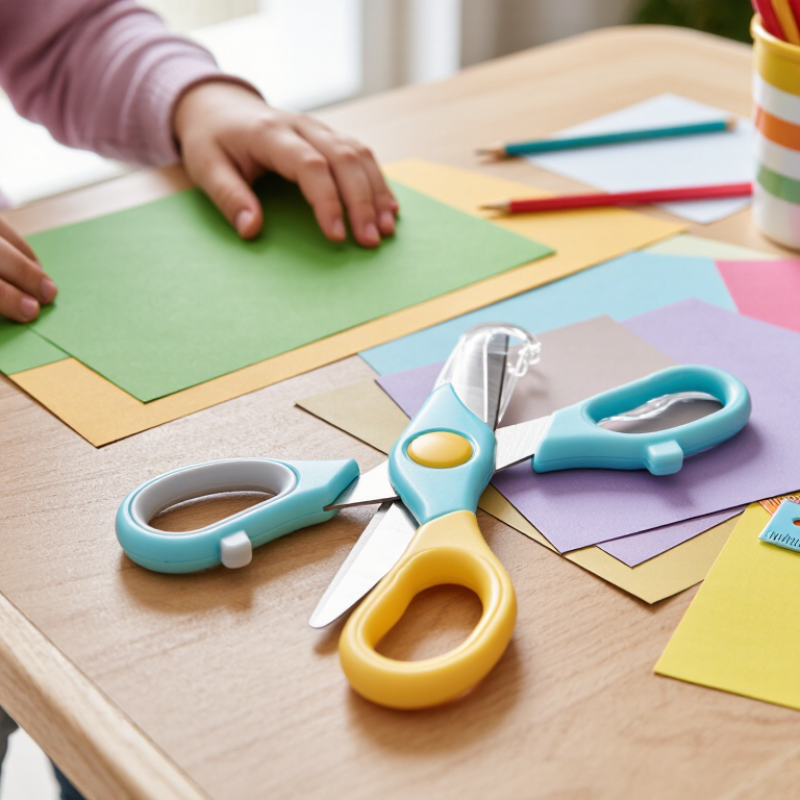
How to Choose Baby Safety Scissors in 2026?

Understanding Baby Safety Scissors and Their Intended Uses

How to Choose Baby Safety Scissors in 2026?

Baby safety scissors are not miniature adult scissors. Their purpose depends on the design. Some are made for trimming soft baby nails. Others are intended for supervised paper crafts. Read the stated use carefully before buying. Rounded tips reduce puncture risk, but they do not make scissors harmless. A short, blunt blade offers better control near small fingers. I prefer handles that open smoothly and fit an adult’s grip. Tiny handles can cause awkward pressure.

For nail care

For nail care, look for a protected tip, a smooth hinge, and blades that meet cleanly. The cutting edge should not snag a thin nail. Use the scissors when the baby is calm, perhaps after a bath. Keep one hand steady. Cut only the visible edge. A baby can move suddenly. It happens quickly.

Never use craft scissors for nails, skin, or hair. Store the scissors in a closed drawer, away from the changing area.

For paper activities

For paper activities, choose blunt-ended scissors with a controlled opening range. Adult supervision remains necessary, even with rounded tips. Check for loose screws, rough plastic, rust, or a stiff hinge before every use. Follow the cleaning instructions for the material.

I once assumed the smallest scissors were automatically safest. That was too simple. Better control, clear purpose, and careful handling matter more than size alone.

Checking Blade Design, Tip Protection, and Cutting Performance

How to Choose Baby Safety Scissors in 2026?

Choosing baby safety scissors begins with the blade design, not colorful handles. Look for smooth, corrosion-resistant blades with rounded edges and controlled movement. Blades should meet evenly without scraping or leaving a wide gap. A narrow profile can improve visibility around tiny nails. However, extremely thin blades may feel fragile during repeated use. I prefer a firm hinge with gentle resistance, because loose blades can catch instead of cutting cleanly.

Tip protection deserves close attention. Rounded tips reduce the chance of a sharp point touching delicate skin during small movements. A protective cover can keep the blades closed in a drawer or travel pouch. It should fit securely but remove without force. Check the inside of the cover, too. Rough plastic may collect residue or scratch the metal. Small details matter. Still, no tip design replaces careful adult supervision.

Cutting performance should feel clean and predictable. Test the scissors on a thin piece of paper before using them near a baby. They should cut without tearing, crushing, or requiring repeated squeezing. For nail trimming, short blades often provide better control than oversized ones. Yet performance can change after washing, storage, or accidental drops. I once trusted a smooth first cut too quickly; later, the hinge became stiff. That experience changed my routine. I now inspect alignment, tip condition, and movement before every use. A slightly imperfect design may work safely, but only when its limits are understood.

Choosing Safe Materials, Ergonomic Handles, and Suitable Size

How to Choose Baby Safety Scissors in 2026?

Choosing baby safety scissors starts with the materials. Look for smooth, durable blades made from corrosion-resistant stainless steel. The blade edges should cut paper cleanly without sharp points or exposed gaps. Rounded tips reduce injury risk during ordinary handling, but they do not make scissors risk-free. Avoid peeling coatings, loose screws, or strong chemical odors. Reliable product information should clearly identify the materials and recommended age range.

The handle matters just as much. Choose wide finger loops with a soft, non-slip surface. Small hands need control, not excessive force. A symmetrical handle may suit shared use, while an ambidextrous design reduces frustration for children still developing hand preference. Check that the pivot feels firm and opens smoothly. It should not snap shut suddenly. Adult supervision remains essential, especially when a child is learning to cut.

Size should match the child’s hand, not the package illustration. The finger openings should hold comfortably without squeezing the skin. Blades around four to six centimeters may suit early paper activities, but hand size and skill matter more than a fixed number. Test the grip with a folded sheet of paper. My checklist is not perfect. I may overlook comfort after several minutes of use. Watch for tired fingers, awkward wrist bending, or repeated slips. Replace scissors when the hinge loosens or the blades become difficult to control.

Comparing Age Guidance, Safety Features, and Cleaning Requirements

How to Choose Baby Safety Scissors in 2026?

Age guidance should support development, not replace supervision. Many children can begin supervised scissor practice around age two or three, but readiness matters more than the printed number. Look for steady sitting, simple instructions, and curiosity without grabbing suddenly. The CPSC’s 2023 Toy-Related Deaths and Injuries report recorded about 231,000 emergency-department injuries involving children’s toys. Safety scissors are not risk-free.

Choose rounded tips, short blades, blunt cutting edges, and finger loops sized for small hands. A covered blade can reduce accidental contact, while a spring-assisted design may help beginners open the handles. Avoid loose pivots, sharp points, and decorative parts that can detach. Test the grip yourself. If the handle feels slippery, rethink it. My practical mistake was focusing on “blunt” wording instead of checking the hinge and blade alignment.

Tips:

Clean after each use. Follow the care instructions, then wash washable surfaces with mild soap. Dry the pivot completely, because trapped moisture may cause corrosion. Do not soak scissors with glued handles or hidden springs. Inspect them under bright light. Stop using them if rust, looseness, or rough movement appears. Keep them locked away after use, even when the child seems responsible. Reliability is a routine, not a feature.

Making a Practical Purchase Decision for Your Baby’s Needs

How to Choose Baby Safety Scissors in 2026?

Making a Practical Purchase Decision for Your Baby’s Needs

Choosing baby safety scissors should begin with real daily needs, not attractive packaging. For trimming tiny nails, select rounded tips, smooth edges, and a controlled cutting action. The handle should fit an adult’s fingers comfortably, even during a restless moment. A protective cover can reduce accidental contact during storage. Check the product’s age guidance and care instructions carefully. I once assumed the smallest scissors were automatically safest. That assumption was wrong. Poor grip can make careful trimming harder.

Tips: Test the grip before purchase. Look for rust-resistant material and secure joints. Avoid loose covers, sharp outer edges, or stiff handles. Wash and dry the scissors according to the instructions. Keep them stored high and closed.

Practical safety matters more than appearance. Trim nails when your baby is calm, perhaps after feeding or bathing. Use bright, steady lighting, and support the baby’s hand firmly. Only an attentive adult should handle the scissors. Never let a baby play with them, even briefly. Inspect the tips before every use, because small damage can escape notice. If the scissors snag, bend, or feel rough, replace them. Sometimes a familiar tool becomes less reliable over time. Reflecting on that possibility helps prevent careless decisions.

FAQS

What are baby safety scissors designed for?

Some are designed for soft nail trimming. Others are made for supervised paper activities. Their purposes should not be mixed.

Which features help reduce injury risk?

Rounded tips, short blades, and blunt edges can reduce puncture risk. They do not make scissors harmless. Adult supervision remains necessary.

How should scissors be chosen for nail care?

Choose a protected tip, smooth hinge, and blades that meet cleanly. Use them only on the visible nail edge. Never cut skin.

When is a suitable time to trim a baby’s nails?

Choose a calm moment, perhaps after a bath. Keep one hand steady. Babies may move suddenly.

What handle design supports better control?

Wide, comfortable finger loops can reduce squeezing. A soft, non-slip surface may improve grip. Tiny handles can create awkward pressure.

How can parents select the right size?

Match the scissors to the child’s hand, not the package picture. Test the grip with folded paper. Watch for wrist bending or repeated slips.

When might a child begin supervised scissor practice?

Many children begin around age two or three. Readiness matters more than age alone. Steady sitting and following simple instructions are useful signs.

How should safety scissors be cleaned and stored?

Follow the care instructions and clean washable surfaces with mild soap. Dry the pivot completely. Store the scissors in a closed drawer.

When should safety scissors be replaced?

Stop using them if rust, looseness, rough movement, or poor alignment appears. A stiff hinge also needs attention. My checklist may miss comfort after several minutes.

Conclusion

Choosing Baby Safety Scissors in 2026 requires more than selecting the smallest pair available. These scissors should be designed for gentle, supervised tasks such as trimming nails, loose threads, or small areas of baby clothing. Look for rounded or blunt tips, protected blades, and cutting performance that is smooth without requiring excessive force. Safe, non-toxic materials and an ergonomic handle can improve comfort and control, while a lightweight size should fit the caregiver’s hand without feeling difficult to operate.

Parents should also review the recommended age guidance and consider features such as protective covers, secure blade guards, and easy-to-clean surfaces. Scissors that resist moisture and can be cleaned regularly may support better hygiene. The best choice depends on the baby’s needs, the caregiver’s confidence, and how often the scissors will be used. A practical purchase should balance safety, comfort, durability, and simple maintenance rather than focusing on appearance alone.

Evelyn

Evelyn

Evelyn is a professional marketing specialist who combines a strong understanding of the company’s products with a clear, customer-focused approach to communication. Through regular articles on the company website, she explains product features, practical applications, and key considerations,......