
[email protected] +92 333 8625441
0%

In 2026, choosing Podiatry Nail Tools means balancing precision, comfort, durability, and safe reprocessing. The right instrument should match the procedure, the clinician’s grip, and the demands of daily use. A polished finish alone proves little.

The CDC’s 2024 National Diabetes Statistics Report estimated that 38.4 million people in the United States had diabetes, based on 2021 data. That figure does not measure podiatry visits or nail-tool demand. Still, it highlights why dependable foot-care equipment matters. The CDC’s Guideline for Disinfection and Sterilization in Healthcare Facilities also emphasizes appropriate cleaning and sterilization practices for reusable instruments. Small details matter. Check whether a tool’s design supports thorough cleaning, and confirm its care instructions before purchase.

Compare cutting edges, jaw alignment, handle shape, material, and manufacturer guidance. A nipper that opens smoothly and meets the nail cleanly can reduce awkward pressure during repeated work. Fit matters, too. There is no perfect instrument for every clinician, and a widely recommended model may still feel wrong in your hand. Even experienced practitioners can rely on a familiar tool longer than they should. That deserves a second look. This guide considers practical selection criteria and trade-offs, helping readers assess Podiatry Nail Tools with clinical needs, product evidence, and everyday handling in mind.
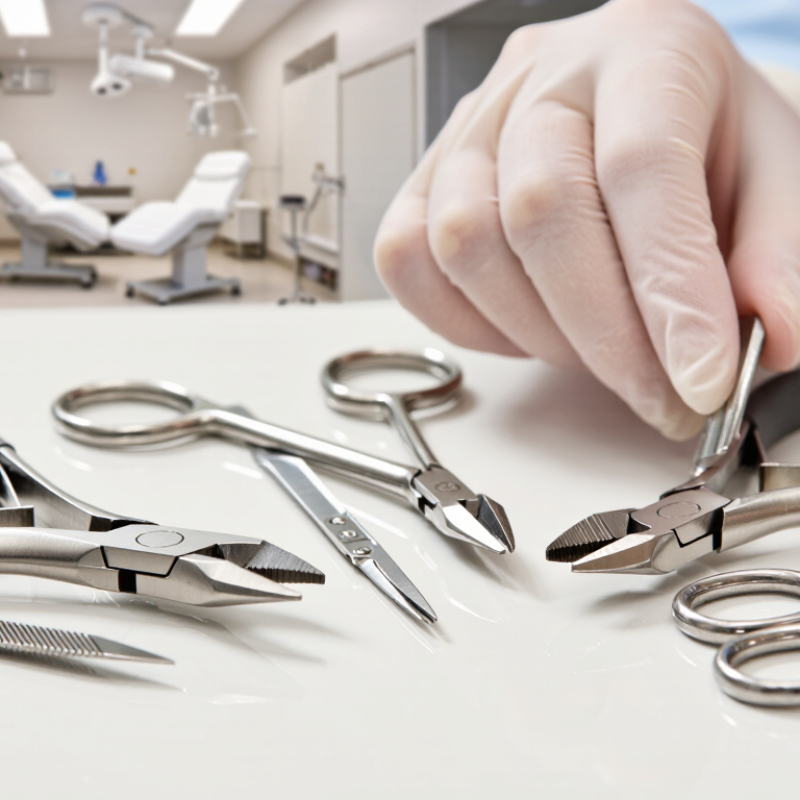
How to Choose the Best Podiatry Nail Tools in 2026?

Understanding Podiatry Nail Tools and Their Clinical Uses

How to Choose the Best Podiatry Nail Tools in 2026?

Understanding Podiatry Nail Tools and Their Clinical Uses

Podiatry nail tools serve different clinical tasks. Nail nippers trim thickened plates; files smooth rough edges, while curettes can lift debris from nail grooves. Choose tools for the tissue and task, not a crowded tray. Fine tips offer access around narrow edges, but they demand steady control. Fit matters. Handles should feel secure in gloved hands, without forcing the wrist into an awkward angle. The American Academy of Dermatology reports that fungal nail infections affect about 10% of the general population and become more common with age. That context makes careful assessment important: a discolored nail does not, by itself, confirm fungus.

For clinical use, prioritize durable construction, smooth joints, and tips that align cleanly when closed. Inspect for rust, looseness, or rough edges before use; a tool that catches skin is not ready. Follow the instrument maker’s reprocessing instructions and the clinic’s infection-control protocol. CDC guidance emphasizes cleaning reusable instruments before sterilization, since debris can interfere with the process. Keep single-use items separate. Small details matter. I would not choose a tool by appearance alone; even a polished instrument may be uncomfortable during repeated procedures. Test grip and visibility with gloves on, and match the tool to clinician experience and patient needs.

Source: American Academy of Dermatology, “Nail fungus”; CDC, Guideline for Disinfection and Sterilization in Healthcare Facilities, 2008.

Identifying Treatment Needs and Patient-Specific Factors

Choosing podiatry nail tools starts with the treatment need, not the tool’s appearance. A thick, curved nail may require a sturdy nipper with a controlled cutting edge. A tender nail fold calls for careful assessment before any trimming. Suspected infection, sudden discoloration, or persistent pain may need clinical evaluation rather than a different instrument. Small details matter.

Patient factors change what is appropriate. Reduced sensation, poor circulation, diabetes, fragile skin, or limited vision can make even minor trimming risky. A clinician should consider these factors before selecting tools or planning care. For older adults or people with limited hand strength, handle shape and grip can affect control. The tool must fit the task and the person. Not every patient can safely manage nail care at home.

Also consider nail thickness, curvature, tenderness, and the patient’s comfort with treatment. A tool that feels precise in one hand may feel awkward in another; that is easy to overlook. Reusable instruments need proper cleaning and sterilization between patients, while damaged or poorly maintained edges can compromise control. If a nail is deeply ingrown or the skin is inflamed, repeated home cutting may worsen the problem. A podiatrist can judge when conservative trimming is suitable and when further assessment is needed.

Comparing Tool Types, Materials, and Sterilization Requirements

How to Choose the Best Podiatry Nail Tools in 2026?

Comparing Tool Types, Materials, and Sterilization Requirements

Choose each tool for its intended task. Nail nippers trim thick or curved nails; curettes help clear debris from nail grooves. A narrow tip can reach tight areas, but it may feel less stable in larger hands. Hold the instrument as you would during use. Comfort matters. A tool that slips or strains your grip can make precise work harder.

Material affects both durability and reprocessing. Stainless steel is common and resists corrosion, but quality and construction still vary. Check that joints move smoothly and close evenly. For reusable tools, confirm they are compatible with your clinic’s sterilization method. Follow the manufacturer’s cleaning and sterilization instructions; soil left in a hinge can compromise processing. Do not assume every metal tool can be autoclaved. That detail is easy to miss.

Tips: Check the instructions before buying, not after. Separate reusable instruments from single-use files or abrasives, and never reprocess items labeled for one-time use. Inspect tools for rust, looseness, or damaged edges after cleaning. Replace worn instruments promptly; a familiar tool can still become unreliable.

Evaluating Safety, Ergonomics, and Quality Standards in 2026

Choosing podiatry nail tools in 2026 means looking beyond sharpness. A tool should sit securely in the hand, open smoothly, and allow a clear view of the nail edge. During a fitting check, notice whether the handles pinch your fingers or force your wrist to bend. Small details matter. Rounded, comfortable grips can reduce strain during repeated procedures, while a controlled cutting action helps avoid sudden slips. Yet comfort is personal; a tool that suits one clinician may feel awkward to another.

Safety depends on more than careful handling. Check that reusable instruments have smooth joints, consistent alignment, and no rust, burrs, or loose parts. Confirm that the material and construction suit the cleaning and sterilization process used in your practice, following the maker’s instructions and applicable clinical requirements. Single-use items should be clearly identified and disposed of appropriately. Ask suppliers for material specifications, care guidance, and quality documentation rather than relying on appearance alone. A polished surface is not proof of dependable construction.

Before use, inspect the cutting edges under good light and test the handle movement without touching the blade. Keep suitable sizes available; oversized nippers can reduce control on smaller nails. No checklist catches everything. Even experienced staff can overlook a stiff hinge on a busy day, so routine inspection and replacement criteria should be written down. The perfect tool may not exist, but a safe, maintainable fit is worth seeking.

Selecting, Maintaining, and Replacing Podiatry Nail Tools

How to Choose the Best Podiatry Nail Tools in 2026?

Selecting, Maintaining, and Replacing Podiatry Nail Tools

Choose tools that match the procedure, fit comfortably in your hand, and allow precise control. Check that cutting edges meet cleanly and joints move without catching. Under bright light, even a small nick can be easier to spot. For reusable instruments, follow the manufacturer’s cleaning and sterilization instructions; cleaning must happen before sterilization. The CDC’s 2015 hospital survey found that 3.2% of patients had at least one healthcare-associated infection, down from 4.0% in 2011. These figures are not specific to podiatry tools, but they reinforce why reliable infection-control routines matter.

After each use, remove visible soil promptly and inspect hinges, tips, and cutting edges before processing. Keep instruments dry and stored so they do not knock against one another. A simple log can record use, processing, and damage; it may feel tedious, but it helps reveal recurring problems. Replace a tool when it is cracked, corroded, loose, difficult to clean, or no longer cuts smoothly. Don’t wait for a scheduled date if performance has changed. Conversely, a calendar alone is not a good reason to discard a sound instrument. It is easy to overlook gradual wear, so compare tools with a known-good set and seek qualified servicing when inspection is uncertain.

How to Choose the Best Podiatry Nail Tools in 2026? - Selecting, Maintaining, and Replacing Podiatry Nail Tools
Tool Typical Use Selection Criteria Maintenance When to Repair or Replace
Nail nipper Trimming thick or difficult-to-cut toenails in clinical care. Choose a size and jaw shape that provide controlled access to the nail. Check that the handles feel secure and the cutting edges meet evenly. Clean promptly after use, dry thoroughly, and process according to the instrument manufacturer’s instructions and applicable infection-control procedures. Arrange professional sharpening or service if cutting becomes difficult or uneven. Replace if the joint is loose, the edges are chipped, or corrosion or damage remains.
Small nail clipper Trimming nails where a compact cutting tool is appropriate. Look for a stable hinge, comfortable grip, and cutting edges suited to the nail and the clinician’s technique. Remove visible debris before cleaning and reprocessing. Follow the manufacturer’s instructions; do not assume every clipper is suitable for steam sterilization. Replace if the hinge becomes unstable, the blades no longer align, or the clipper crushes or tears the nail instead of cutting cleanly.
Double-ended nail curette Careful cleaning around nail folds or beneath the free edge when clinically indicated. Select a tip size and shape that allow precise control. Inspect the ends for smoothness and choose a handle that is easy to grip. Clean both ends and any joints or grooves thoroughly. Dry and reprocess in accordance with the manufacturer’s instructions. Replace if a tip is bent, rough, cracked, or damaged, or if wear prevents controlled use.
Nail file or rasp Smoothing or reducing nail edges and surfaces when appropriate. Choose a surface and coarseness suitable for the task. Confirm whether the item is reusable or intended for single-patient use. For reusable instruments, clean and reprocess only as directed by the manufacturer. Do not reuse a single-use file or rasp. Discard single-use items after use. Replace reusable items when abrasive surfaces are worn, the instrument is damaged, or it cannot be adequately cleaned.
Blunt-ended probe Assessment or gentle exploration around the nail, when indicated by the clinical procedure. Choose a tip and length that support visibility and control. Check that the working end is smooth and securely attached. Clean and reprocess according to the manufacturer’s instructions and the tool’s intended use. Remove from service if the tip is bent, sharp, loose, or damaged, or if the handle or shaft is cracked.
Instrument tray or cassette Organizing instruments during cleaning, packaging, and processing. Choose a configuration that keeps instruments organized while allowing cleaning and sterilizing agents to reach them as intended. Clean and inspect the tray or cassette according to its instructions. Use packaging and sterilization methods compatible with the instrument system. Replace if it is cracked, corroded, or no longer closes or holds instruments securely.
Selection and safety note: Choose tools for the intended clinical task, patient needs, clinician control, and compatibility with the required reprocessing method. Follow each instrument’s instructions for use and applicable infection-prevention requirements. Inspect instruments before use; do not rely on a fixed replacement interval when condition and manufacturer guidance are more appropriate.

FAQS

How should I choose a podiatry nail tool?

Match the tool to the nail and procedure. Thick, curved nails may need a sturdy nipper with controlled cutting.

Which patient factors affect tool choice?

Reduced sensation, poor circulation, diabetes, fragile skin, or limited vision can increase trimming risks. A clinician should assess these factors.

When should a nail problem receive clinical evaluation?

Seek assessment for suspected infection, sudden discoloration, persistent pain, deep ingrowing, or inflamed skin. Repeated home cutting may worsen it.

How can I check whether a tool fits my hand?

It should feel secure, open smoothly, and provide a clear view. Handles should not pinch fingers or force your wrist to bend.

What should I inspect before using an instrument?

Under good light, check for rust, burrs, loose parts, damaged edges, and stiff joints. Small details matter.

How should reusable instruments be cared for?

Remove visible soil promptly, then clean before sterilization. Follow care instructions, dry instruments, and store them to prevent contact damage.

When should a nail tool be replaced?

Replace it if cracked, corroded, loose, difficult to clean, or no longer cutting smoothly. Don’t rely on the calendar alone.

How can a practice keep track of tool condition?

Log use, processing, and damage. Routine checks help, though even experienced staff can miss gradual wear on a busy day.

Conclusion

Choosing the right Podiatry Nail Tools in 2026 starts with understanding the purpose of each instrument and the clinical tasks it supports. Consider the treatment required, the condition and sensitivity of the patient’s nails and skin, and any factors that may affect comfort or control. Comparing tool designs, materials, and cleaning or sterilization needs can help narrow the options and support consistent clinical practice.

Safety and usability matter as much as function. Look for tools that are comfortable to handle, easy to control, and made to meet appropriate quality standards. Regular inspection, thorough cleaning and sterilization according to established procedures, and careful storage help maintain performance. Replace instruments when they become damaged, worn, difficult to use, or no longer suitable for their intended purpose. A thoughtful selection and maintenance routine can help practitioners work more comfortably and provide attentive, patient-focused care.

Alden

Alden

Alden is a professional marketing specialist who combines a strong understanding of the company’s products with a clear, customer-focused approach to communication. Through regular contributions to the company website, he shares practical insights, explains product features, and helps readers......