
Explore our factory-direct manufacturing portfolio spanning heavy-duty meat cleavers, high-carbon kitchen cutlery, and surgical-grade precision beauty instruments.
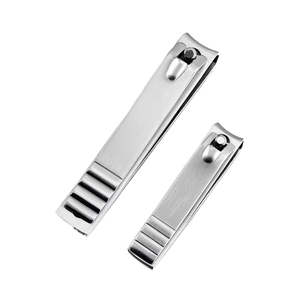
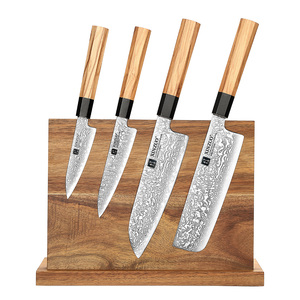
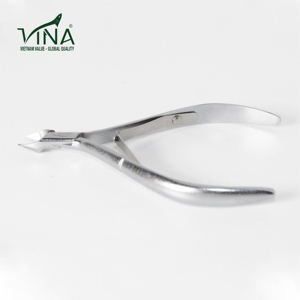
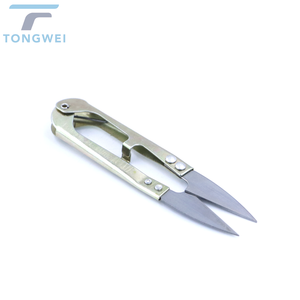
As a leading Chinese manufacturer and global exporter of high-performance meat cleaver knives, precision cutlery, and specialized forged tools, our enterprise bridges centuries of traditional forging craftsmanship with advanced metallurgical engineering. Procurement directors, brand managers, and commercial kitchen suppliers face an increasingly complex sourcing landscape in 2026. Evaluating a manufacturing partner requires looking beyond surface-level unit costs to analyze structural steel composition, heat treatment integrity, blade geometry, ergonomic durability, and regulatory compliance.
Modern meat cleavers occupy a unique, highly specialized role in both commercial butchery and high-volume culinary operations. Unlike multi-purpose chef knives designed for light slicing, a professional bone-chopping cleaver must withstand extreme impact forces without chipping, rolling its edge, or suffering fatigue failure along the tang. Achieving this delicate balance between structural toughness and edge retention demands deep metallurgical expertise, automated vacuum heat processing, and rigorous batch testing.
Utilizing premium 5Cr15MoV, 7Cr17MoV, 9Cr18MoV high-carbon steel, and 67-layer Japanese VG-10 Damascus alloys engineered for optimal Rockwell hardness (HRC 54–60).
Monolithic drop-forged blade-to-handle construction reinforced with triple steel rivets or seamless ergonomic G10/Pakkawood scale handles for zero flex under high impact.
Full compliance with US FDA food contact guidelines, EU Regulation (EC) No 1935/2004, German LFGB standards, and ISO 9001:2015 quality control certifications.
Choosing the correct steel chemistry dictates performance capabilities and price positioning in target markets. As an established OEM/ODM manufacturer, we offer custom steel formulation tailored to specific culinary and industrial applications. Below is a comprehensive engineering comparison matrix used by commercial procurement teams to select steel profiles based on edge retention, corrosion resistance, and impact toughness.
| Steel Grade Profile | Hardness (HRC) | Toughness / Impact Resistance | Corrosion Resistance | Primary Commercial Application |
|---|---|---|---|---|
| 3Cr13 / 4Cr13 Stainless | 52 - 54 HRC | Very High | High | Budget commercial cleavers, heavy bone choppers, high-impact butcher knives. |
| 5Cr15MoV High-Carbon | 54 - 56 HRC | High | Excellent | Standard professional kitchen cleavers, mid-tier household knife sets, meat processing tools. |
| 7Cr17MoV / 8Cr13MoV | 56 - 58 HRC | Balanced | High | Premium commercial butcher cleavers, versatile slicing/chopping hybrid knives. |
| 9Cr18MoV / AUS-10 | 58 - 60 HRC | Moderate | Very High | High-end executive chef cleavers, precision vegetable slicing (Gudao/Nakiri style). |
| 67-Layer VG-10 Damascus | 60 - 62 HRC | Refined Sharpness | Superior | Luxury retail knife series, luxury gift boxed chef sets, professional collector cutlery. |
The performance of a meat cleaver relies heavily on its edge bevel angle and cross-sectional thickness. Our engineering facility utilizes CNC 5-axis wet grinding machines to produce three distinct edge profiles:
Combining the heritage of precision hand-finishing with automated industrial scale, our manufacturing network incorporates strict process controls at every production milestone. By controlling the supply chain from raw sheet metal slitting to final laser logo branding, we deliver unparalleled batch-to-batch consistency for international distributors and private labels.
High-tonnage drop forging presses compress steel crystalline structures, eliminating internal void micro-defects and enhancing overall structural fatigue strength by over 35% compared to stamped sheet alternatives.
Controlled sub-zero liquid nitrogen bath (-196°C) following vacuum quenching converts residual austenite into ultra-stable martensite, elevating edge retention without increasing metal brittleness.
Robotic arms maintain uniform grinding pressure across the entire blade length, ensuring precise taper geometry, perfect weight balance, and consistent thickness tolerance within ±0.03mm.
Every production batch undergoes mandatory QA checks before export packaging: Rockwell hardness testing (HRC scale verification), Rockwell impact testing, Salt Spray Anti-Corrosion Chamber testing (24–72 hours), edge sharpness testing (using CATRA sharpness measurement tools), and ergonomic balance point calibration.
The global kitchen knife and commercial cutlery market is experiencing rapid structural evolution driven by changing food service hygiene standards, consumer preference for premium ergonomics, and sustainable raw material sourcing. Key trends reshaping international wholesale procurement include:
Rising demand for hygienic NSF-certified composite handles made from G10 fiberglass, anti-microbial POM polymers, and sanitized stainless steel bolster caps designed for dishwash safety in commercial kitchens.
Transition from plastic blister packs to FSC-certified natural walnut presentation boxes, recycled kraft paper boxes, and sustainable bamboo magnetic sheaths to meet EU packaging waste mandates.
Growing popularity of Titanium PVD (Physical Vapor Deposition) black ceramic coatings, custom laser damascus patterns, and personalized ergonomic handle contouring for OEM private-label differentiation.
To help global buyers stay competitive, our R&D department releases bi-annual product design updates incorporating lightweight ergonomic skeletonized tangs, non-stick hammer-forged texture finishes (Tsuchime), and modular retail display solutions.
Clear answers to help distributors, brand owners, and buyers streamline their OEM/ODM custom knife orders.
Ready to upgrade your product lineup, lower defect rates, or develop a custom forged cutlery series? Contact our engineering and export team today for factory-direct wholesale pricing, technical CAD drawings, and sample orders.
Send an Inquiry