
As the Nigerian healthcare sector, heavy manufacturing industries, agricultural conglomerates, and consumer personal-care markets experience rapid modernization, the structural demand for specialized, high-precision surgical instruments has expanded exponentially. Historically, first-aid procurement across major commercial hubs such as Lagos, Kano, Port Harcourt, and Ibadan relied on generic, low-grade carbon steel tools susceptible to atmospheric oxidation under West Africa’s severe humidity levels.
Today, corporate medical buyers, B2B wholesale distributors, and public healthcare procurement officers actively seek direct partnerships with China’s premier manufacturing hubs. China's top-tier instrument factories lead global production in surgical-grade AISI 420 martensitic steel, high-precision CNC micro-grinding, and automated passivation treatments. This whitepaper analyzes the essential technical parameters, localized usage profiles across Nigerian states, regulatory pathways (SONCAP/NAFDAC), and factory-direct OEM custom options necessary to establish a high-margin, resilient supply chain.
Engineered for surgical precision, podiatry care, splinter extraction, and professional manicure application in high-humidity tropical climates.
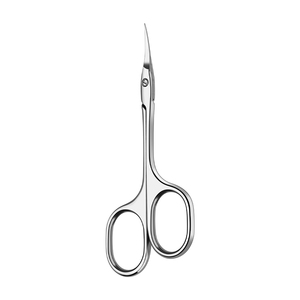
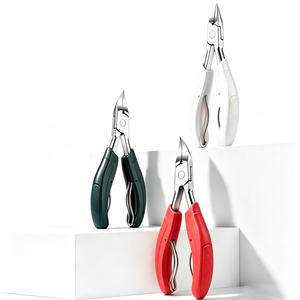
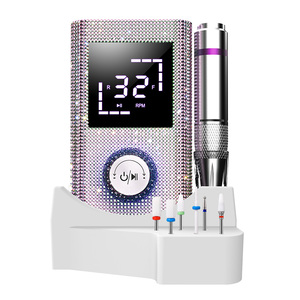
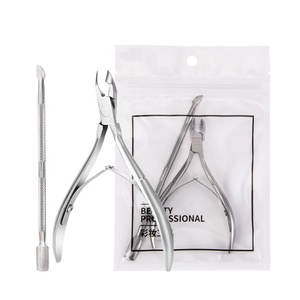
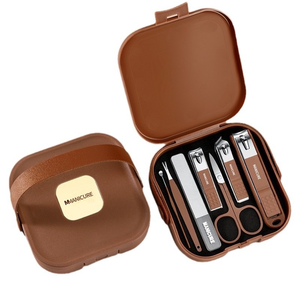
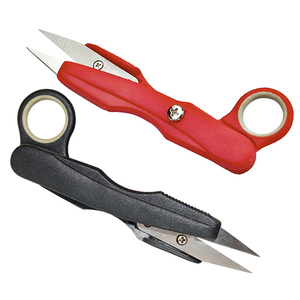
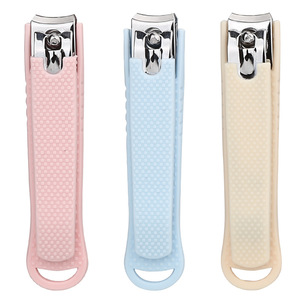
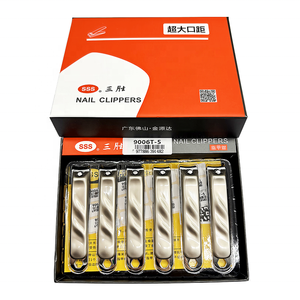
Understanding the specific operational environment in West Africa allows Chinese factories to customize tool alloy specifications and packaging barriers effectively.
Workers across Nigeria's timber concessions, cocoa belts, and oil palm plantations frequently suffer from deep subsurface botanical splinters, thorn punctures, and wooden sliver inclusions. Industrial splinter removal kits for agricultural unions require ultra-fine curved tips (0.01mm tolerance) and integrated magnifying lancets capable of removing organic matter cleanly to prevent localized fungal infections.
Maintenance personnel operating in the Port Harcourt refineries, Warri industrial yards, and offshore platforms handle metallic wire burrs, fiberglass fragments, and mineral slivers. Industrial safety regulations mandate medical-grade 420 stainless steel tweezers passivated against saltwater corrosion and packaged in high-impact ABS waterproof cases.
Private healthcare providers in Lekki, Victoria Island, and Abuja central business districts require surgical-grade extraction kits compatible with high-temperature autoclave sterilization (134°C). China factories supply sterile individual blister packs that comply with strict Ministry of Health hygiene protocols.
From major supermarket chains in Ikeja to neighborhood pharmacies across Kano and Ibadan, compact, multi-piece personal splinter kits (featuring slant-tip tweezers, lancet pins, and magnifying lenses) represent high-velocity consumer goods with massive seasonal demand spikes.
The West African commercial landscape is experiencing structural shifts in instrument procurement. Importers who understand these dynamics can gain a significant competitive edge when sourcing from Chinese suppliers:
Combining decades of surgical instrument craftsmanship with automated Chinese manufacturing efficiency, our factory partners deliver uncompromised quality tailored to B2B distributors, medical brand owners, and OEM clients across West Africa.
We utilize certified AISI 304 and 420 stainless steel with chemical composition analysis (Chromium > 12%) ensuring maximum resistance to atmospheric and chemical oxidation.
Every individual splinter tweezer and nibber tip undergoes hand-grinding and 10x optical magnification testing to guarantee 0.01mm flush tip closure.
Custom laser-etched branding, private label packaging, custom case molding, and custom kit configurations built to your precise market specifications.
Unlike factories relying on random sampling, every single instrument is tested for jaw alignment, spring tension, cutting sharpness, and surface passivated finish.
Eliminate middleman markups. Buy directly from established production lines with transparent bulk volume discount tiers and predictable lead times.
Extensive experience with West African shipping lanes, offering FOB Ningbo/Shanghai, CIF Lagos/Port Harcourt, and full SONCAP export document support.
Addressing common regulatory, technical, and commercial questions for B2B procurement in West Africa.
To clear customs in Nigeria smoothly, shipments must comply with the Standards Organisation of Nigeria Conformity Assessment Program (SONCAP). This involves obtaining a Product Certificate (PC) during product testing and a Certificate of Conformity (CoC) for each export container. Our factories work closely with accredited inspection agencies (such as SGS, Cotecna, or Intertek) to issue valid SONCAP documentation prior to vessel departure.
Maritime transport through tropical waters exposes cargo to extreme moisture. Our export packing protocol includes: (1) Electro-chemical passivation treatment on all steel surfaces to build an oxide protective layer, (2) Hermetically sealed plastic blister packs, (3) Vapor Corrosion Inhibitor (VCI) desiccant packs inside outer cartons, and (4) Heavy-duty 5-ply corrugated shipping boxes wrapped in moisture-resistant stretch film.
Standard unbranded or stock instruments have a low MOQ of 500 units. For custom OEM orders (featuring your laser-etched brand logo on tweezers/scissors and customized retail packaging), the typical MOQ ranges from 1,000 to 3,000 sets depending on packaging complexity.
Yes. We strongly encourage sample evaluation. Physical samples allow your quality control team to verify tip alignment tolerance, steel hardness, grip ergonomics, and autoclave compatibility before signing final production contracts.
Standard factory manufacturing lead time is 15 to 25 days depending on total order volume and customization level. Sea freight shipping from Ningbo or Shanghai port to Apapa Port (Lagos) typically takes 30 to 40 ocean transit days.
Connect directly with our engineering team to request complete product catalogs, factory audit reports, sample kits, or custom price quotes tailored for the Nigerian market.
Send an Inquiry